

The Man Who Built Furniture to Outlive Himself

An afternoon with Nore Furniture founder Norman, and the timeless philosophy behind one of Australia's most enduring furniture collections.
Words by Leana Farrugia, Leana Lagom Interiors
"I wanted it to last more than one generation."
Norman says it matter-of-factly. No ego. No grand announcement. Just a quiet statement from a man who spent decades making furniture that still fills Australian homes today. At 88 years old, he now knows he achieved exactly what he set out to do.
And honestly...
That's a pretty incredible legacy.

It Started With Two Dining Chairs
Sometimes the best stories begin by accident.
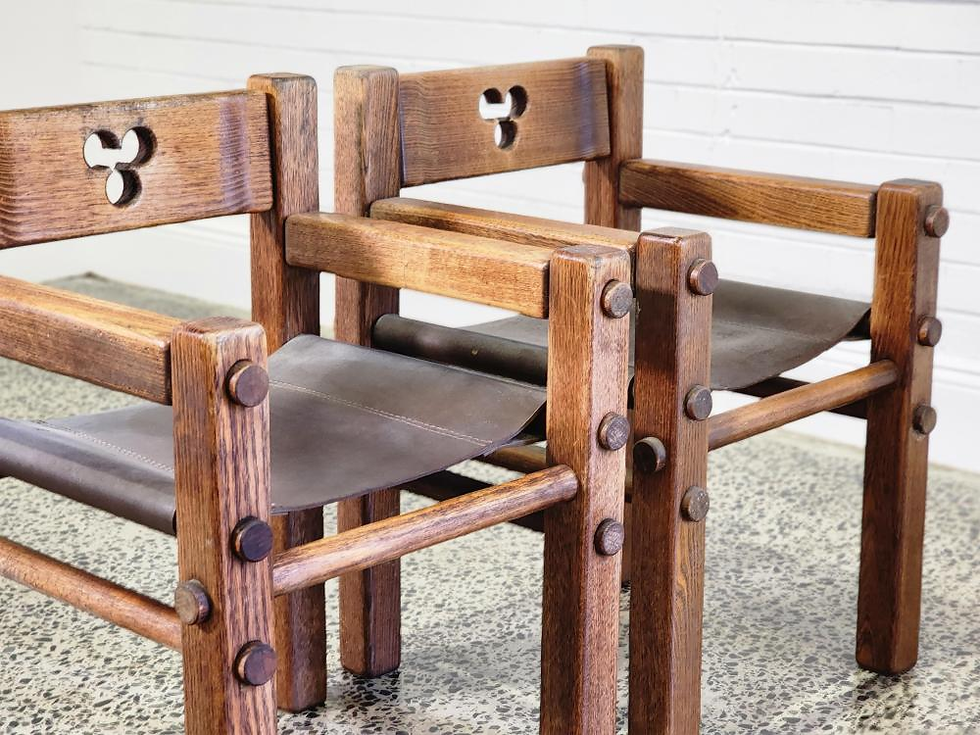
A little while ago I sold a pair of vintage Nore dining chairs to a local man named Brendan. During our conversation he casually mentioned,
"Dad actually made those."
His dad? Norman Archibald.
The Norman behind Nore Furniture.
When Brendan offered to introduce me to his father, there was only one answer. Absolutely.
As an interior designer, stylist and self-confessed vintage enthusiast, I nearly fell off my dinosaur chair. I'd admired Nore furniture for years, saw it at the NGV many moons ago on a University tour. Its bold timber construction. Its sculptural simplicity. The unmistakable craftsmanship.
Keep It Simple.
When I asked Norman how he would describe his design philosophy, he didn't hesitate.
"The KISS theory. Keep It Simple."
Simple.
But never ordinary, every decision served a purpose. No decorative hardware, No unnecessary ornament, No visible hinges. In fact, Norman designed many of his own concealed hinge systems because he believed cabinet hardware immediately dated furniture. Instead... He wanted people to notice the timber. The leather. The craftsmanship.
Looking at Nore furniture today, it's remarkable how contemporary that philosophy still feels.
Before Furniture...
There were ladders. One of the biggest surprises came early in our conversation.
Norman never trained as a cabinetmaker.
After leaving school he worked alongside his father manufacturing timber ladders, For nine years. When his father suffered a serious heart attack, he announced the business now belonged to Norman. His reply?
"I don't want it."
He wanted to make furniture instead. His father wasn't convinced. "You won't do any good at that." Looking back now, it's hard not to smile.
Once Norman told me about the ladders...Everything suddenly made sense.
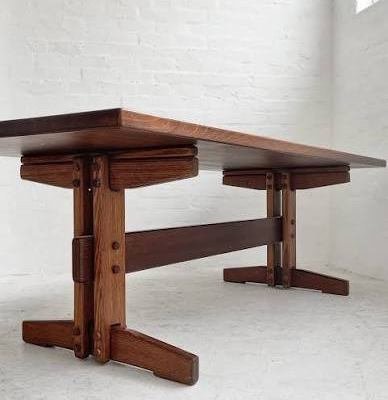
The square timber sections. The dowels. The strong architectural lines. Even today you can still see echoes of ladder making throughout the Nore collection.
Designing Furniture That Didn't Exist
Norman wasn't interested in copying what everyone else was doing.
When lightweight teak furniture dominated Australian homes, he deliberately moved in the opposite direction. He wanted furniture that looked substantial. Furniture that felt permanent, furniture your grandchildren would inherit.
That idea became his compass. Everything else followed.
Where 'Nore' Actually Orginated
When I sat down with Australian designer Norman to discuss the origins of his brand, Nore, I had to ask about the name; a moniker many naturally assume is just a clever play on "Norman."
"No. Not true," he told me with a smile, recalling the moment the name truly found him.
Early in his career, while exhibiting his very first table and bench set at The Claypot in Warrandyte, an elderly Norwegian painter whose work was also on display approached him in tears. "Norman, your furniture reminds me so much of the furniture I grew up with as a boy in Norway," the man shared. Seeing the deep emotional connection his craft evoked and recognizing the rise of striking, single-syllable names like Fleur and Dwayne across Melbourne's design scene at the time; the identity of Nore was officially born.
The Famous Aubergine Leather
Every iconic designer has a signature.
Norman's happened to be... an eggplant. Unable to find the leather colour he imagined, he literally walked into Howe & Co - renowned leather tanner in Melbourne in the 20th century- carrying a ripe aubergine.
"Can you match this?"
They did. The reddish- tinge colour became exclusive to Nore Furniture for more than twenty years. Even today collectors immediately recognise it. It's one of those wonderfully human stories that makes vintage furniture feel alive.
The Famous Gallery That Couldn't Buy His Furniture
One story genuinely made me laugh.
The National Gallery of Victoria wanted to acquire Norman's entire furniture collection to display.
His response? "No."
Not because he didn't appreciate the recognition. Because he was too busy making furniture. Eventually he gifted them a lounge chair and footstool instead. Not sold. Gifted, he knew his legacy would last longer than himself - although you would be hard pressed to find an image of him online, he keeps a low profile and never did journalism. He wanted his furniture to speak for itself.
Sometimes You Have to
Break the Rules
Back in the early furniture fair days, exhibitors weren't allowed to sell directly to retailers. Most accepted the rules, Norman questioned them.
His stand was open. Children climbed all over the furniture. Brochures disappeared by the hundreds. The exhibitor next door couldn't understand it. "They've taken all your brochures!" Norman smiled. "Exactly…They're taking them home to their parents."
By the end of the exhibition he'd secured around $120,000 worth of orders.
The following year? His neighbour copied the idea. No ropes. Retailers welcomed in. Sometimes innovation isn't inventing something new. Sometimes it's simply refusing to accept the way things have always been done.
The Details Nobody Sees
Throughout our conversation one thing became incredibly clear. The magic wasn't what you could see. It was what you couldn't.
Norman spent three years working with the CSIRO developing construction methods that would stop solid Ash dining tables from splitting over time. Three years.
For something the untrained eye may never notice.
That level of care feels almost unimaginable today.
"The person who originates something puts in a bigger effort than the person who copies it."
Furniture Made for Living
One thing I loved most? Norman genuinely cared about what happened after the furniture left his factory. When a customer accidentally ironed directly onto her new dining table...
He refinished it, free of charge.
When another customer unknowingly ruined the foam inside her lounge cushions after following poor advice...He replaced every cushion.
Again, for free- because people weren't just buying furniture,
they were trusting his name.
Creativity Starts Young
One story has stayed with me ever since. Growing up in a family of eight with very little money, Norman desperately wanted somewhere to store his belongings. So he quietly collected discarded packing timber from the neighbours. Night after night.
Eventually building himself a cabinet.
Years later...
That same cabinet inspired one of his commercial furniture designs. It's a beautiful reminder that creativity often begins with necessity.
Why Nore Still Matters
As designers we often talk about timeless interiors.
But timeless furniture is something different. It's furniture that quietly survives fashions. House moves, generations. changing tastes. It simply continues doing what it was built to do. When I asked Norman if he'd ever imagined people would still be collecting his furniture decades later, he laughed. He never expected any of it. He simply wanted to make good furniture. And perhaps that's exactly why it still resonates today.

In His Retirement
Norman went on to tell me about a woman who gifted him three cow hides after his house was burnt down in a notorious bushfire, not knowing much about his past - she said "you can have these as long as you promise me you'll use them."
He decided to start crafting on a smaller scale to pass time. What he ended up with were a collection of European style handbags with timberheads. Multiple variations of colour, combination of leather & timber - adding his own unique stain pattern that reminded me of an abstract leopard print to the grain. I felt rather chuffed seeing these creative musings away from the public eye only to gift the bags to his loved ones - Knowing I feature an incredibly expressive face - I was clearly gushing with awe at the bags so much that Norman gestured "Go on, pick one for yourself."
My jaw almost fell out of my mouth. I picked out my favourite one - earthy tan with dark green - with the gold bee clasp. It now proudly sits in an untouched glass display cabinet - a piece of history and a moment I will never forget.

What I Took Away
Other than this exquisite handmade bag as I little-girl- big-smiled inside....
Driving away after our interview, I realised something.
This wasn't just a conversation about furniture. It was about curiosity, Resilience, Craftsmanship…And the kind of thinking that refuses to compromise. Norman doesn't speak like a designer chasing trends; He speaks like a maker. Someone who simply wanted to build things properly.
As I continue helping clients create homes filled with character rather than trends, conversations like this remind me why I love vintage furniture so deeply.
Every scratch tells a story.
Every worn armrest has been held by generations.
Every beautifully crafted joint represents someone's time, patience and pursuit of perfection.
That's something flat-pack furniture can never replicate. Norman once said he wanted to build furniture that would last more than one generation. Looking around at homes still proudly displaying Nore pieces today...
I'd say he succeeded, Beautifully.
Thank you, Norman.
Thank you for your generosity, your humour, your stories and your unwavering commitment to craftsmanship.
Your furniture continues to shape Australian homes and vintage collectors - but perhaps more importantly, it continues to inspire the next generation of designers, makers and collectors.
And that's a legacy worth celebrating.


Comments